William Johnston Building Gallery
About WJB Gallery
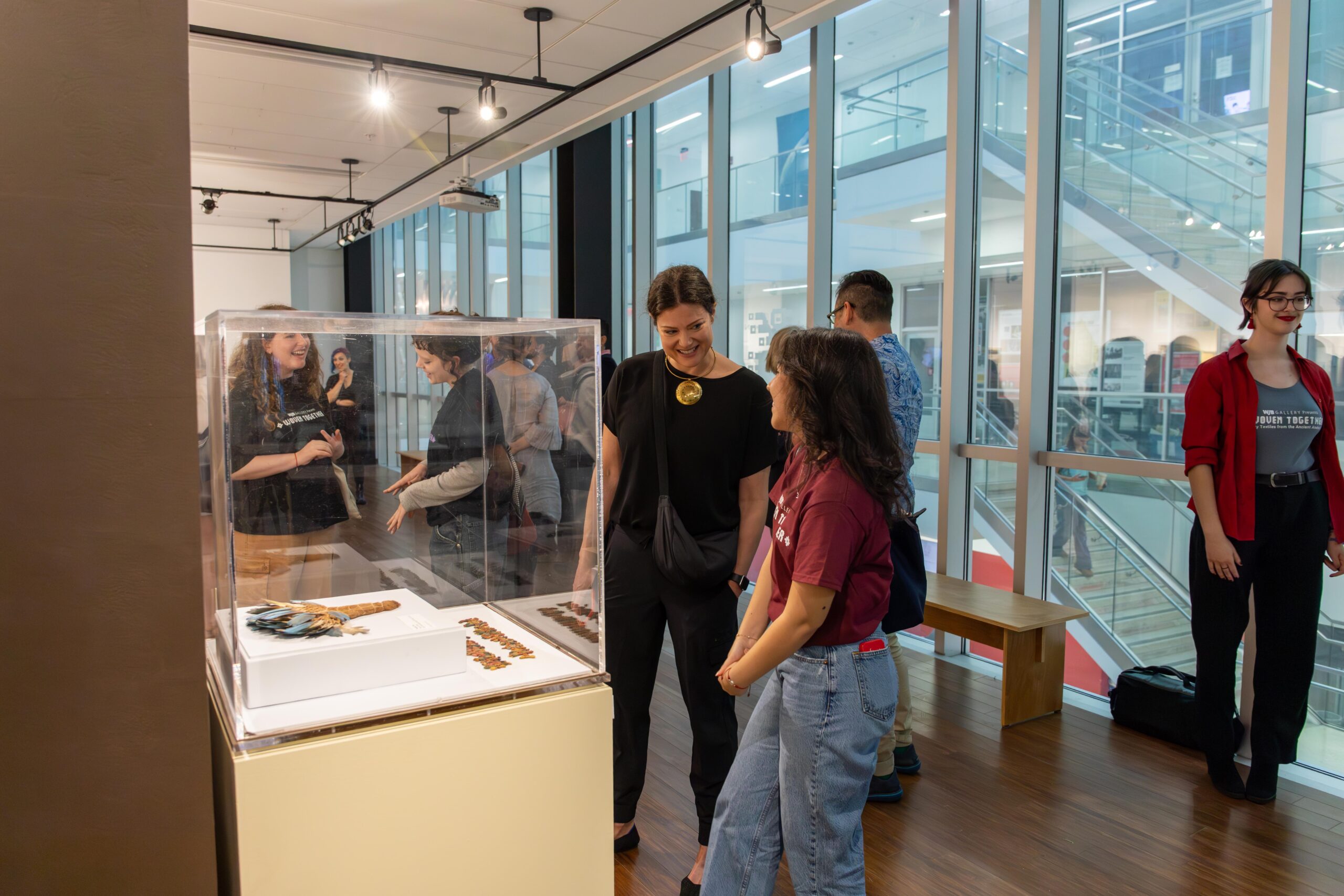
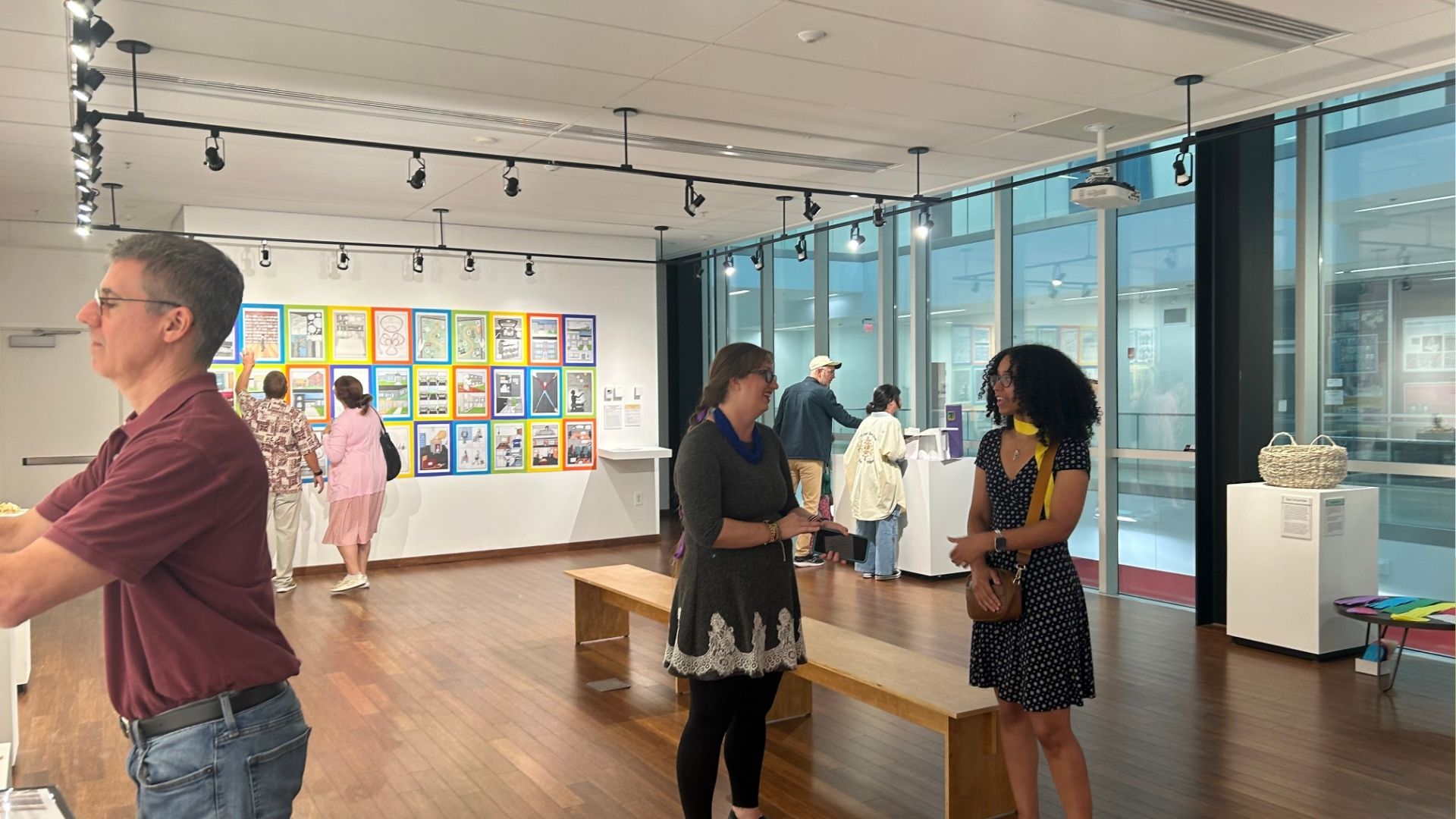
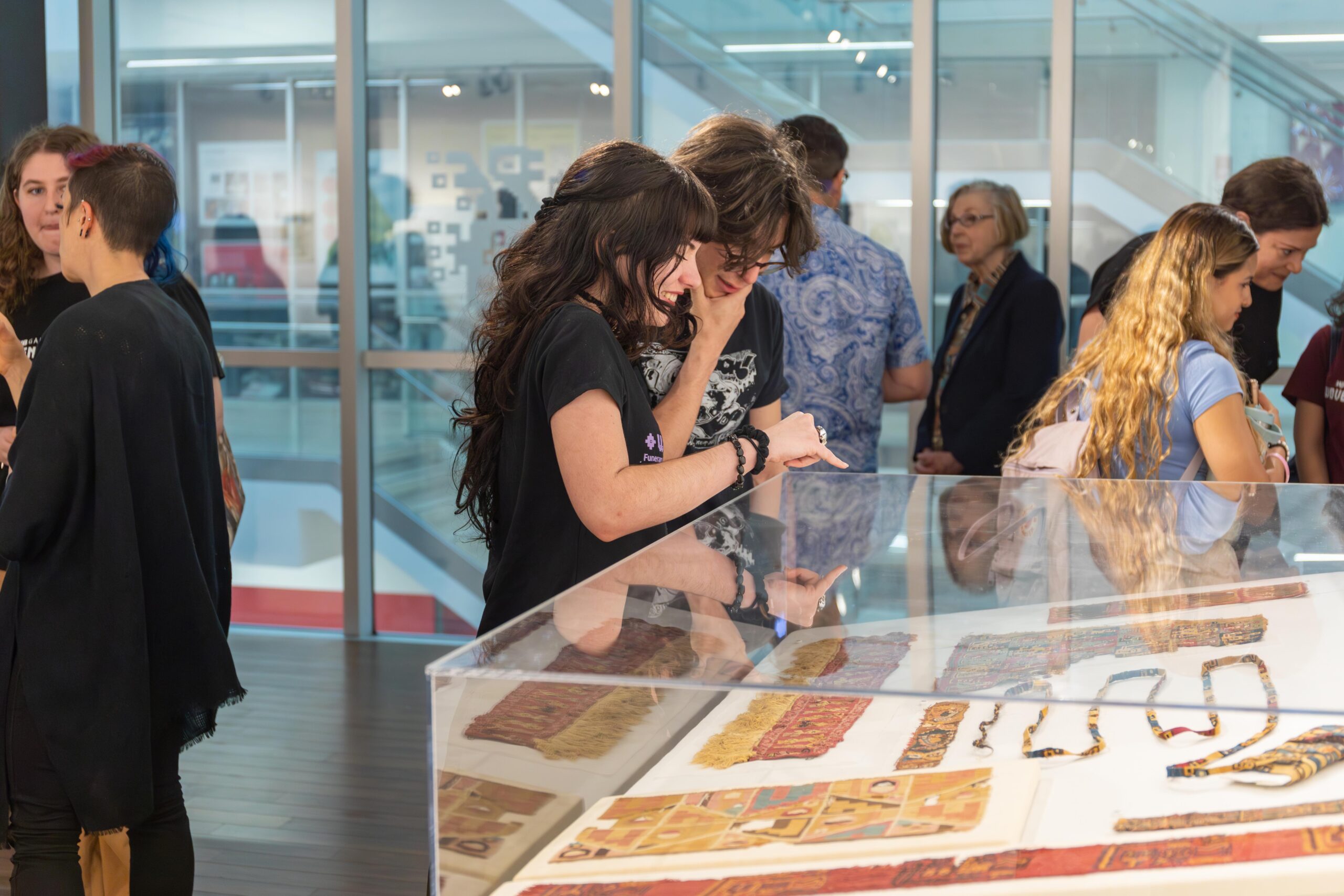
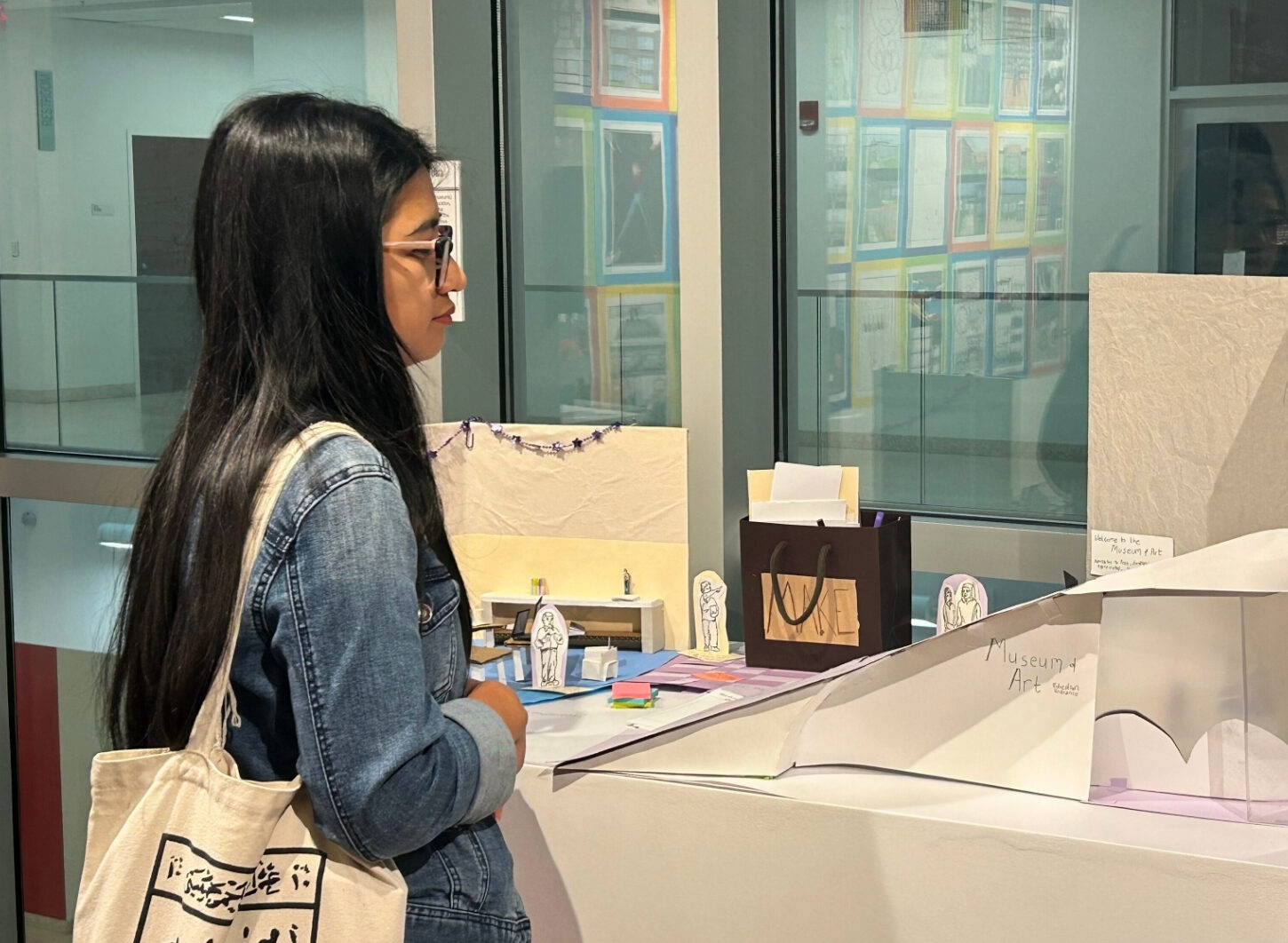
The WJB Gallery is a student-forward space that hosts exhibitions of student artwork and student-led curatorial projects. Prominently located in the William Johnston Building (WJB), this 1100-square-foot exhibition space connects exemplary creative endeavors with visitors of one of the busiest places on campus. The 24 x 46-foot glass-walled gallery stretches the length of the central five-story atrium in the building, providing rich natural lighting and secure but vivid public exposure for exhibitions.
The WJB Gallery is a collaboration of the departments of the College of Fine Arts: Art, Art Education, Art History, Interior Architecture & Design, Dance, Theatre, and the Museum of Fine Arts.
Exhibitions
Currently on View
The Weight of Exchange
Upcoming
School of Design: Interdisciplinary Pathways
Design is interdisciplinary, collaborative, evolving, and essential. This exhibit marks the transformation from the Department of Interior Architecture & Design to the School of Design – an expansion of what design can be.
The School of Design comprises Interior Design, the new Interdisciplinary Design Degree program, and the interdisciplinary Graduate Certificate in Graphic Design. This exhibit reflects the breadth of six programs within the school, highlighting opportunities for interdisciplinary collaboration and new curricular pathways while elevating the visibility of our students and alumni and strengthening professional and research opportunities.
Rooted in more than 50 years of growth, impact, and community, this transition builds on a strong foundation while opening space for innovation, leadership, and continued evolution.
Welcome to the future of design at FSU.
Past Exhibitions
Place Within: Diasporic Perspectives on Belonging
Jan 15 – Feb 16, 2026
Curated by Estefania Vallejo Santiago and Sara Rodriguez
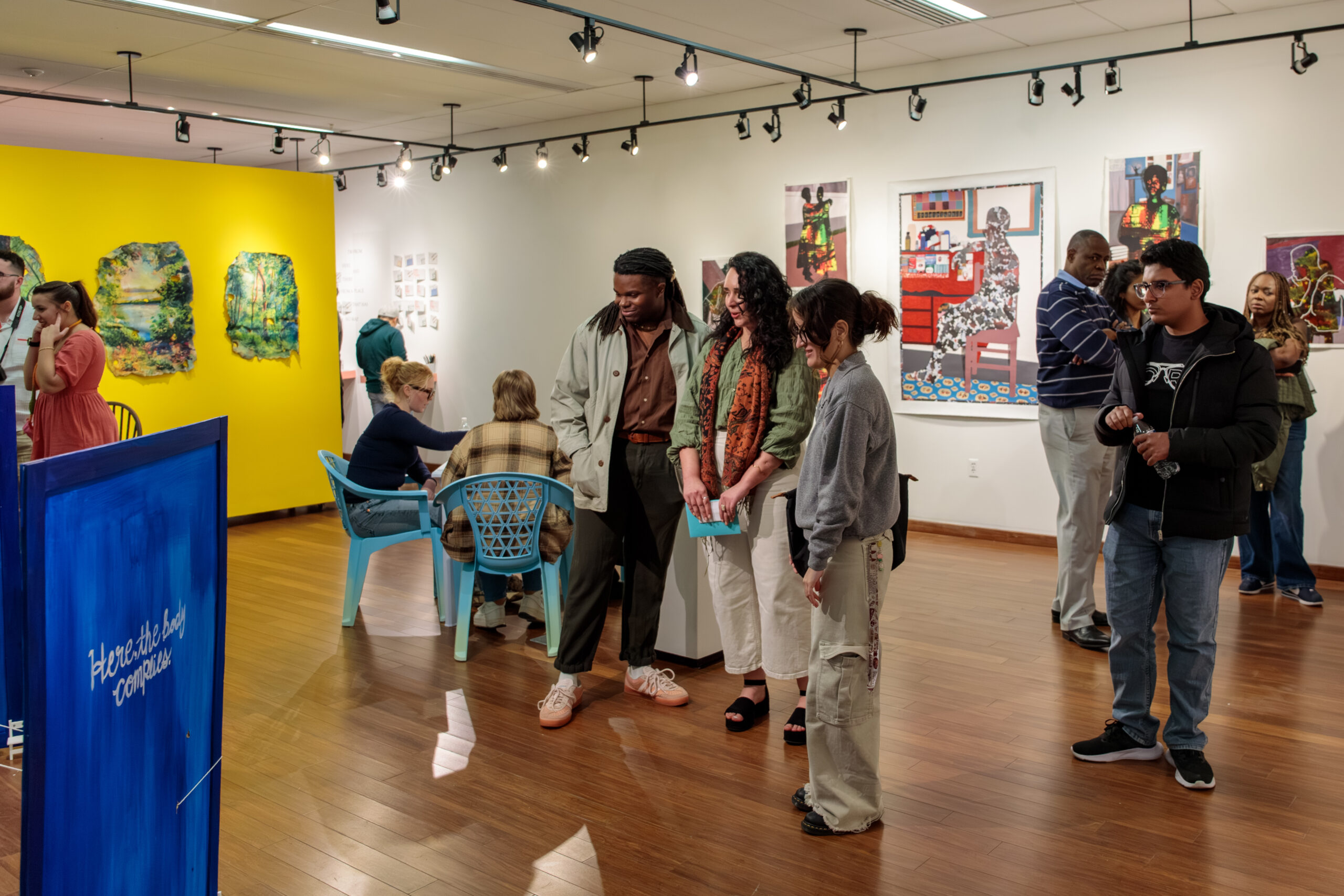
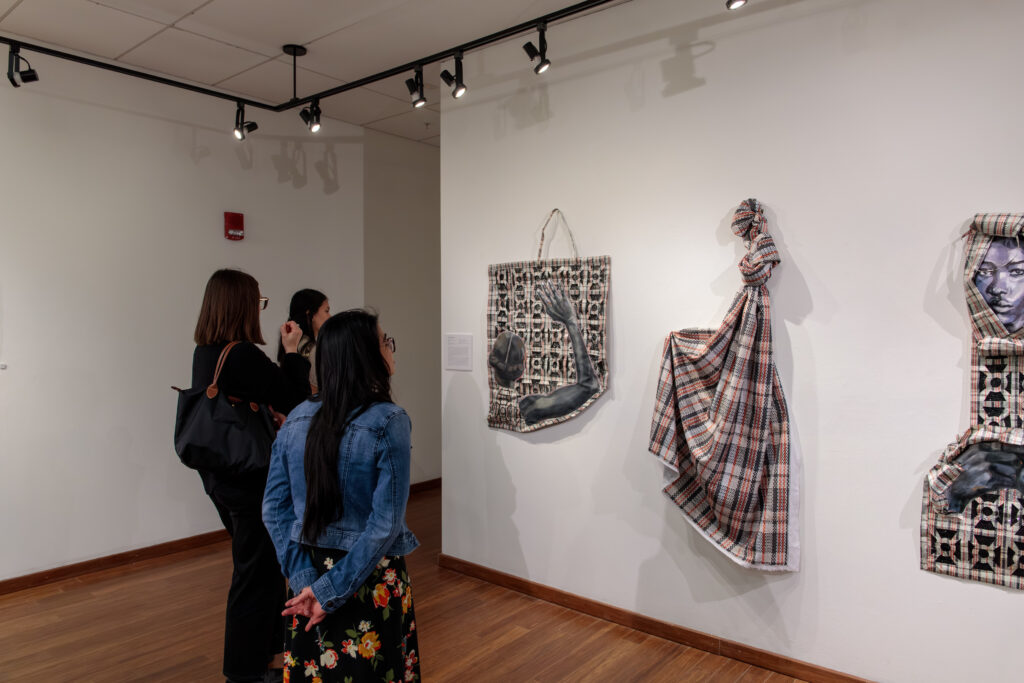
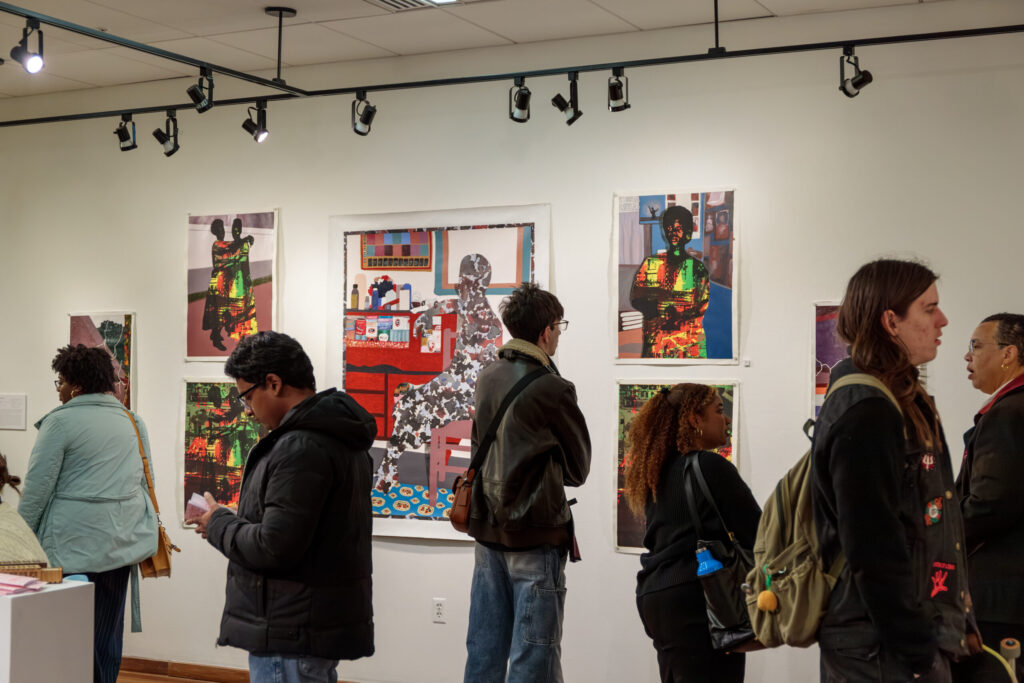
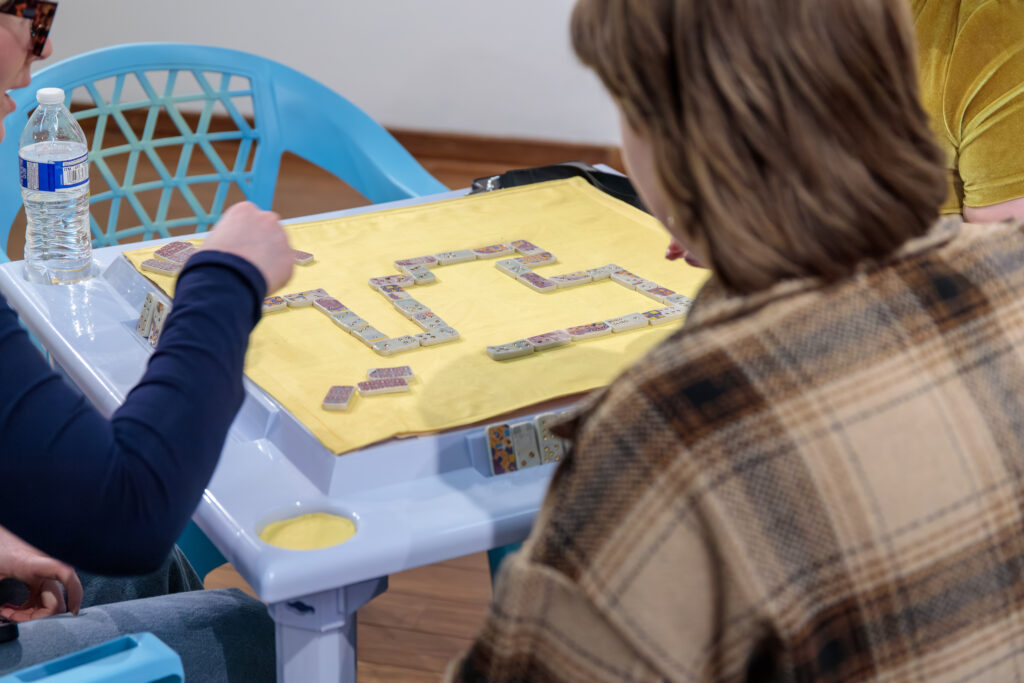
Place-Within, a collective exhibition by Art History and FSU Studio Art students, explores home, memory, and identity through the lens of diaspora. Each artwork—painted, installed, or woven—speaks to belonging, displacement, and cultural resilience. Personal narratives of migration reimagine borders as barriers and bridges, exploring how home is carried within. Beyond an exhibition, Place-Within fosters community engagement, inviting visitors to share their migration and belonging experiences. Interactive components and artist talks encourage dialogue, creating a sense of connection and mutual understanding. Loss and longing intertwine with transformation, shaping belonging through movement, memory, and reimagined connections.
One with the Changing Land
Nov 6 – Dec 5, 2025
Curated by Professor Meghan Mick and Sabrina Iverson
Sponsored by FSU Native American and Indigenous Studies Center (NAIS)
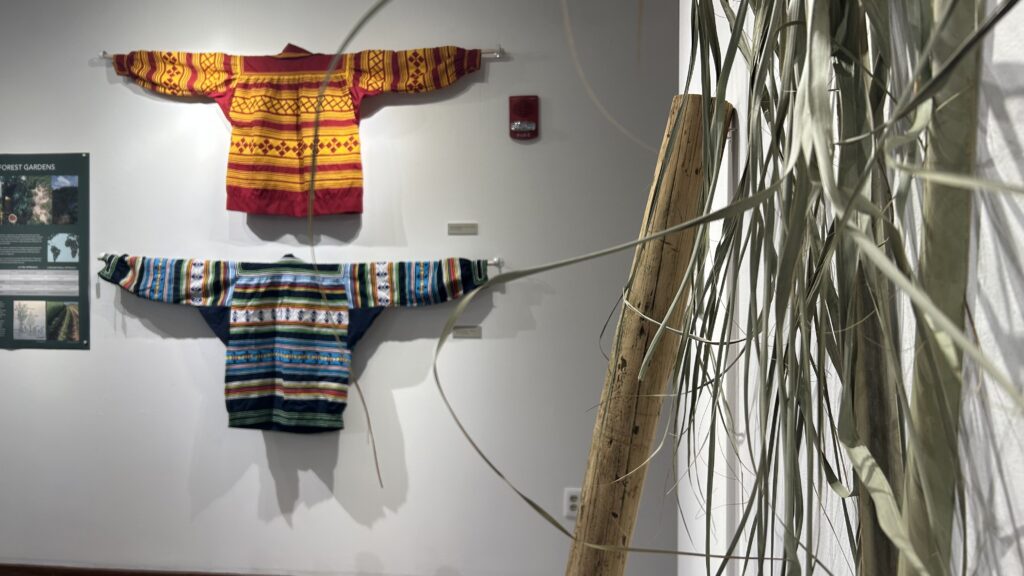
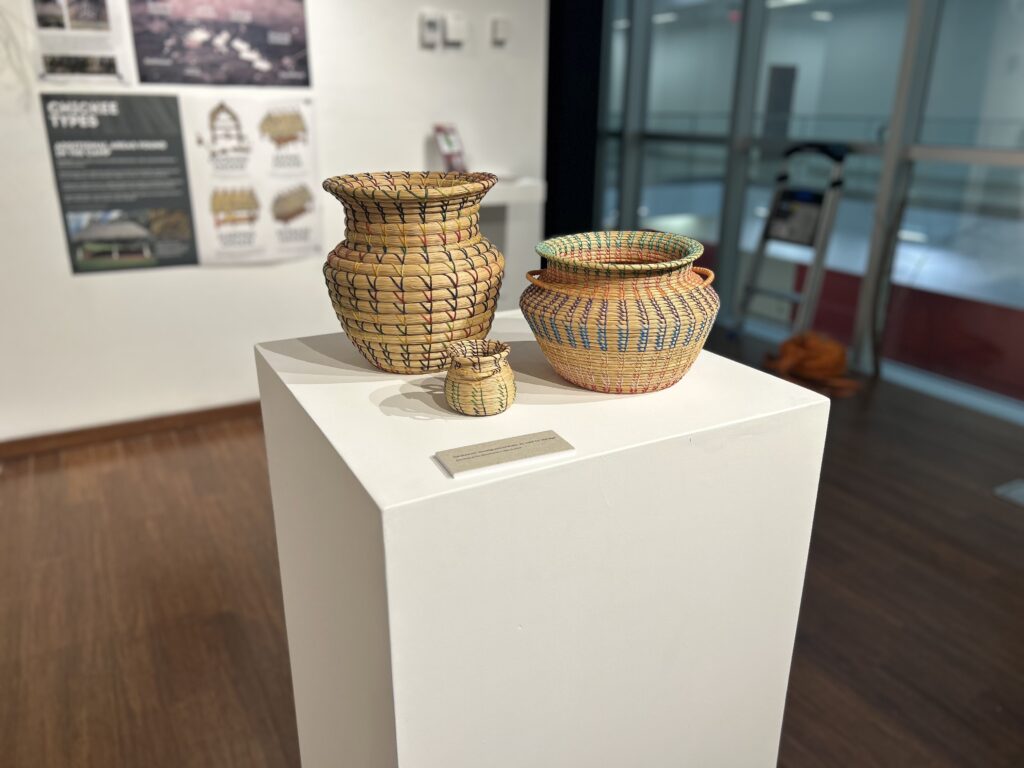
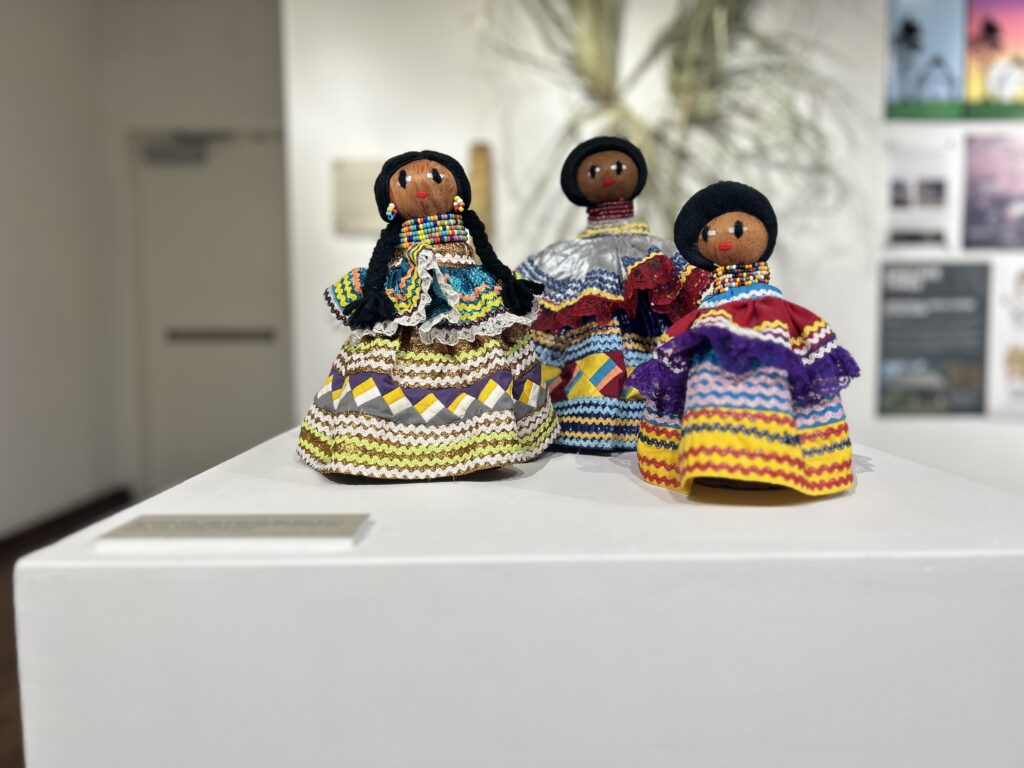
One with the (Changing) Land honors Indigenous ecological knowledge and its enduring relationship with place, as reflected in design. The exhibition contrasts these living traditions with conventional Western design approaches, inviting reflection on how we continue to shape and are shaped by the land
The exhibition includes student work illustrating examples from around the world, as highlighted In Julia Watson’s book Lo-TEK: Design by Radical Indigenism. What follows are from a familiar landscape closer to home, captured in artifacts and examples from the Seminole and Miccosukee Tribes of Florida. They similarly employ design and construction methods that exemplify living with the land rather than on it. Finally, students from Responsible Design (IND 2620) share their connections to the land through images and stories of places that hold meaning for them.
Warp & Weft: Threads of Our Doctoral Journeys
Sept 25 – Oct 24, 2025
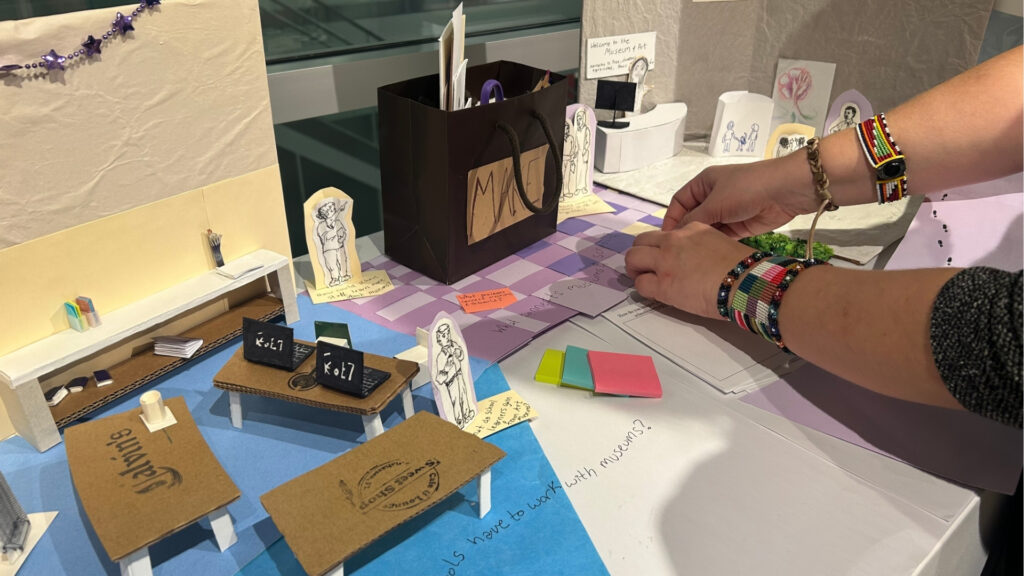
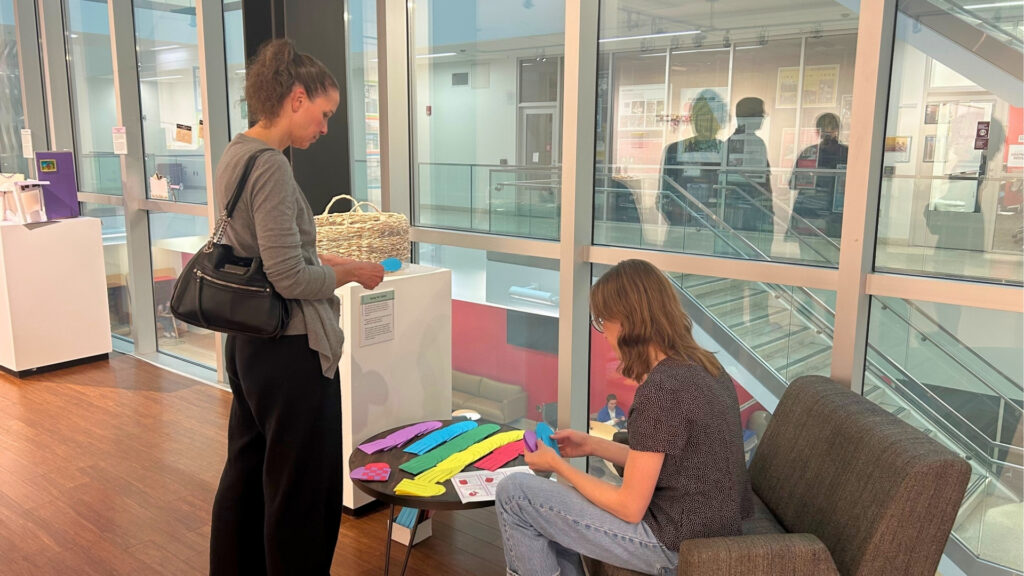
Featuring research from Diana Bradley, Zoe Hume, Adrey. Jacobs, Ashley Williams, and alumni Catherine Usewicz, Ph.D, this exhibition discusses the various steps in the Ph.D process. Each artist has created an interactive station to symbolize their research and engage visitors in the various steps of the Ph.D process.
Journey of Memories
Aug 25 – Sept 22, 2025
Curated by Isabella Daou and Neda Izadi in collaboration with Janet Bauer, Ph.D., Zeynep Su Oğuzer, Yael Rubin, and Roo Xing
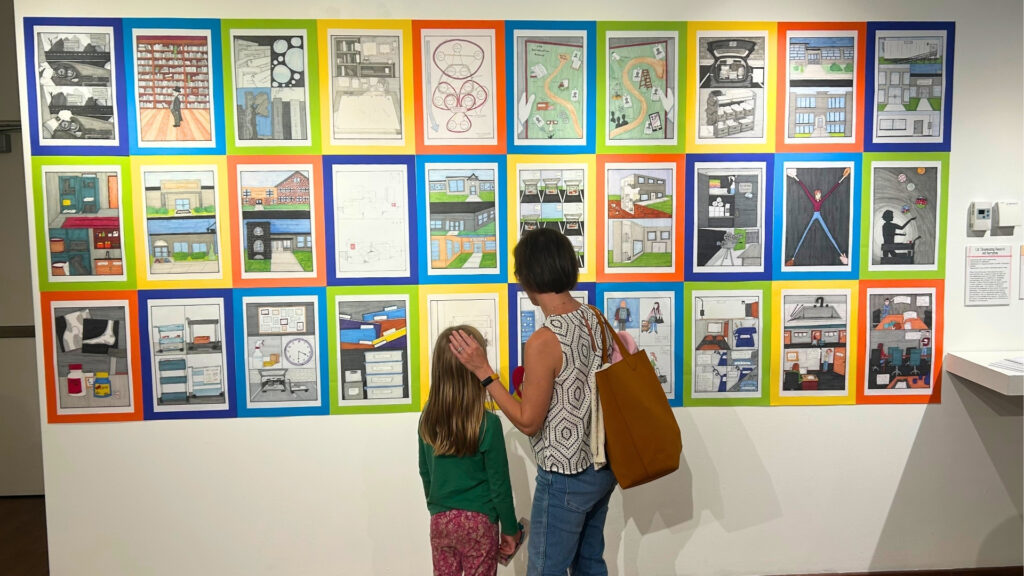
Journey of Memories is a heartfelt tribute to the cherished moments and cultural treasures these women carried as they rebuilt their lives in Hartford, Connecticut. Though unable to bring all of their belongings, they preserved the essence of their experiences through evocative, handcrafted artworks. Each piece serves as a window into the vibrant tapestry of their past: every stitch and brushstroke embodies treasured memories of home, family, and community.
The exhibition highlights the power of art as a medium for storytelling and expression, emphasizing memory as a vital part of identity and heritage. By sharing their stories through art, these women honor their past while inspiring us to appreciate the beauty and resilience of immigrant communities worldwide.
The Journey of Memories project was hosted by Integrated Refugee and Immigrant Services (IRIS) in partnership with the Dodd Center for Human Rights at the University of Connecticut, Trinity College, and Heartbeat Ensemble. The project was guided by the compassionate leadership of Neda Izadi and Isabella Daou, with support from Trinity College students.
Since its creation, Journey of Memories has toured widely in Connecticut, with exhibitions at Connecticut College, Trinity College, Heartbeat Ensemble, Hartford Public Library, and Otis Library, reaching diverse audiences before arriving at Florida State University.

Art and Ecology: The Backwater Paintings
Guidelines and Resources
Faculty, staff, and students of the College of Fine Arts are invited to submit exhibition proposals for review by the WJB Gallery Committee. Students submitting proposals must collaborate with a supervising faculty or staff member who agrees to oversee and assist throughout the process. Prospective applicants are encouraged to consult their department representative on the committee for guidance while planning their exhibition. The WJB Gallery Committee is responsible for reviewing and approving proposals, scheduling exhibitions, providing a modest budget for supplemental equipment or materials, and supervising a team who can assist with installation, marketing, and other support tasks.
For more information about the WJB Gallery, including its layout, explore the blueprint and 3-D model.